
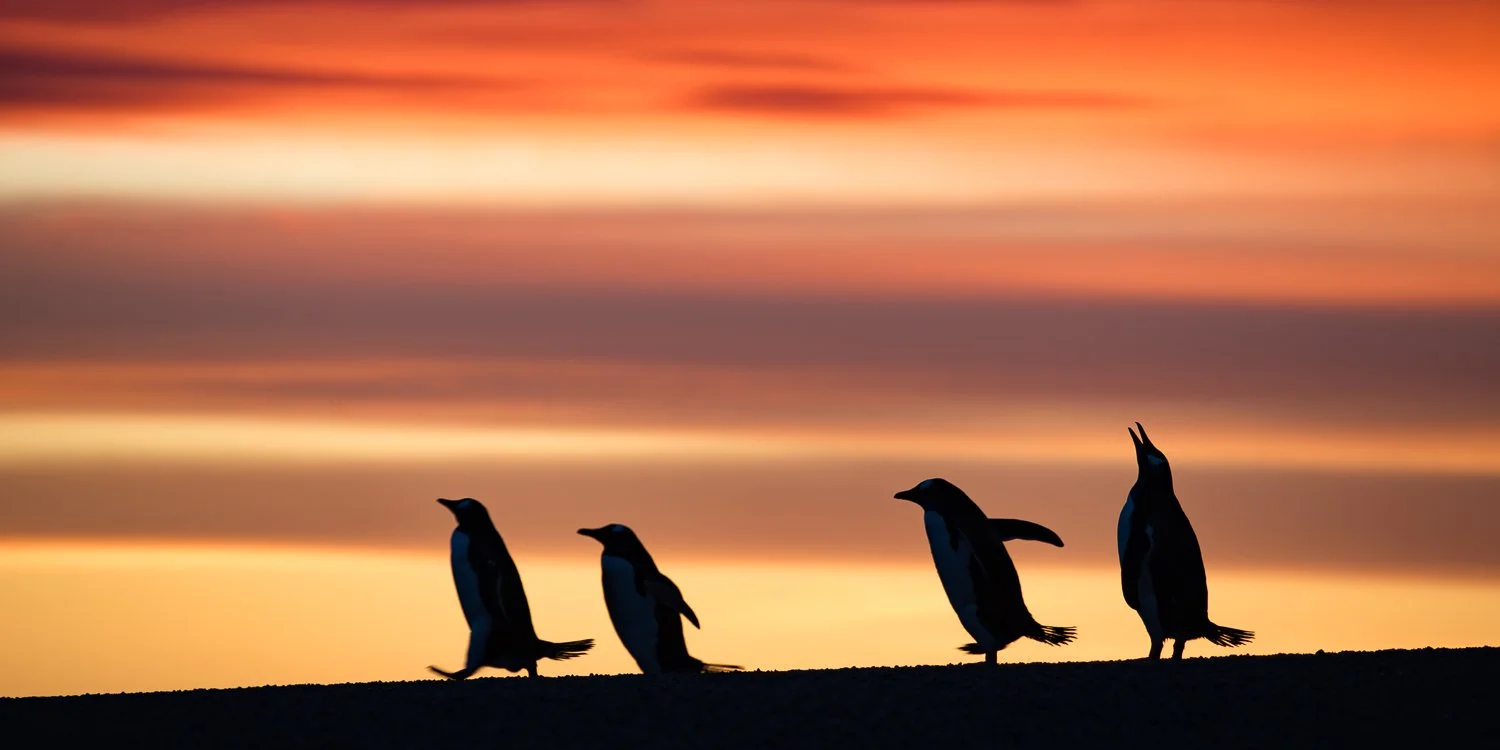
Gentoo penguins: Greetings from Penguin-Land
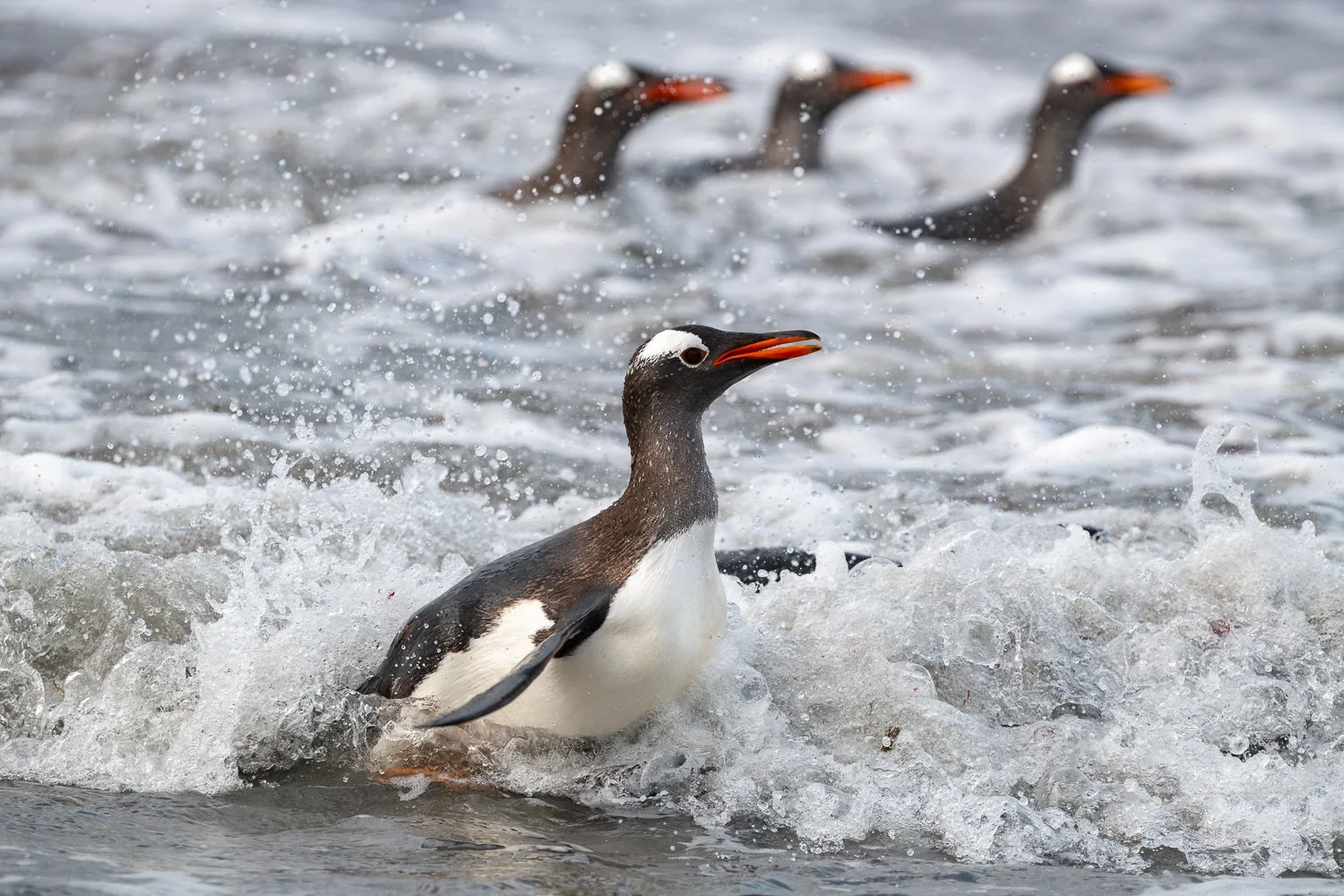
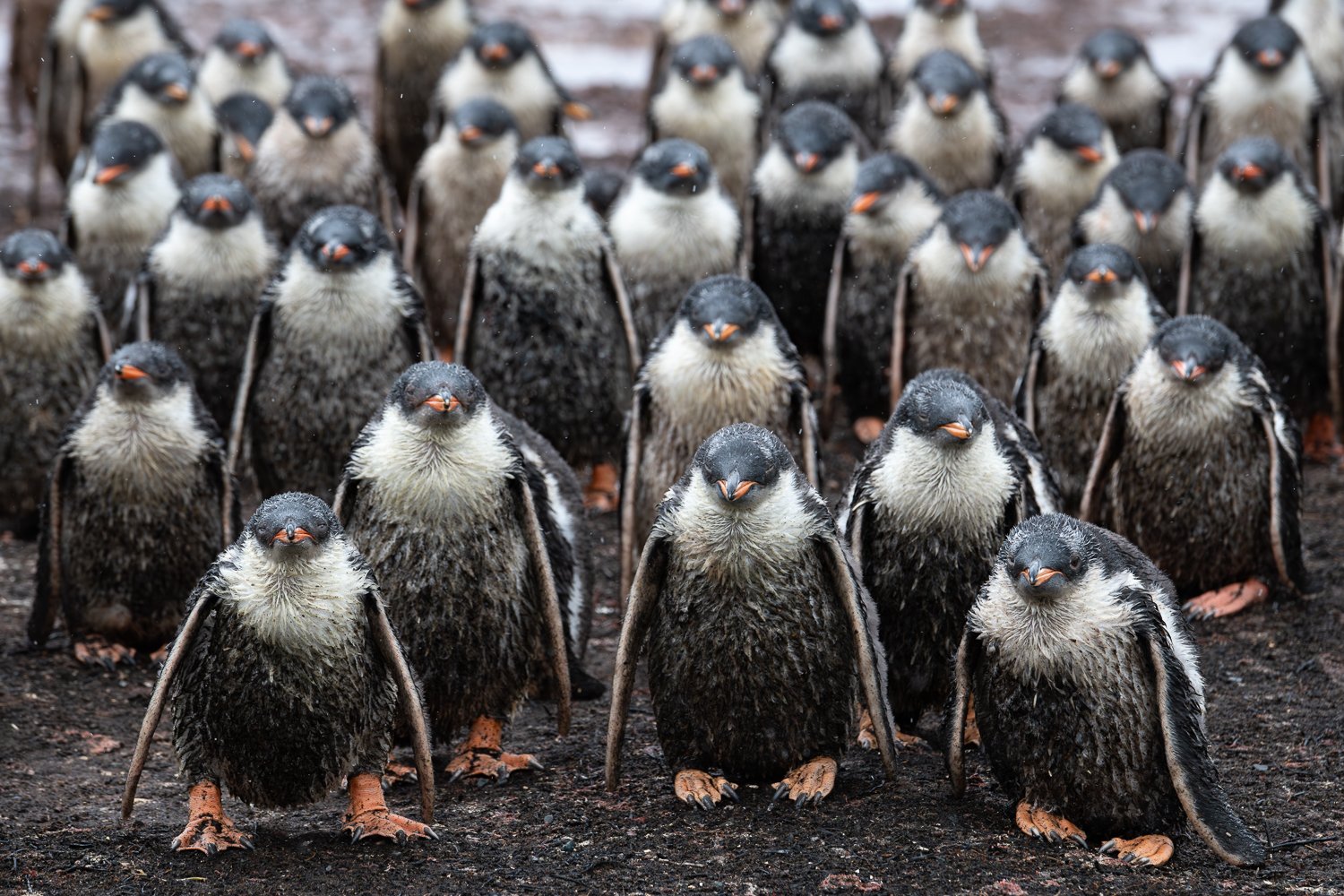
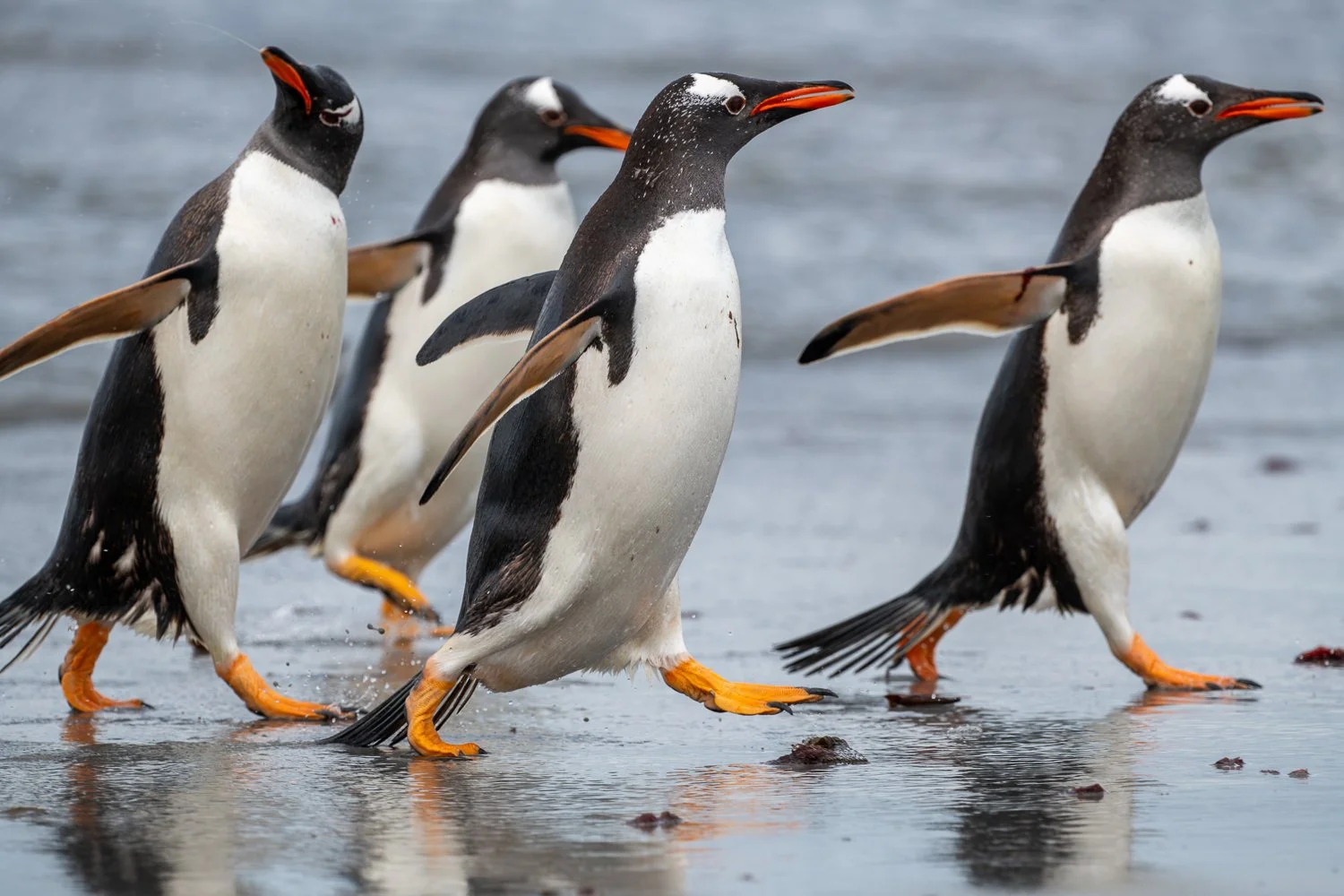
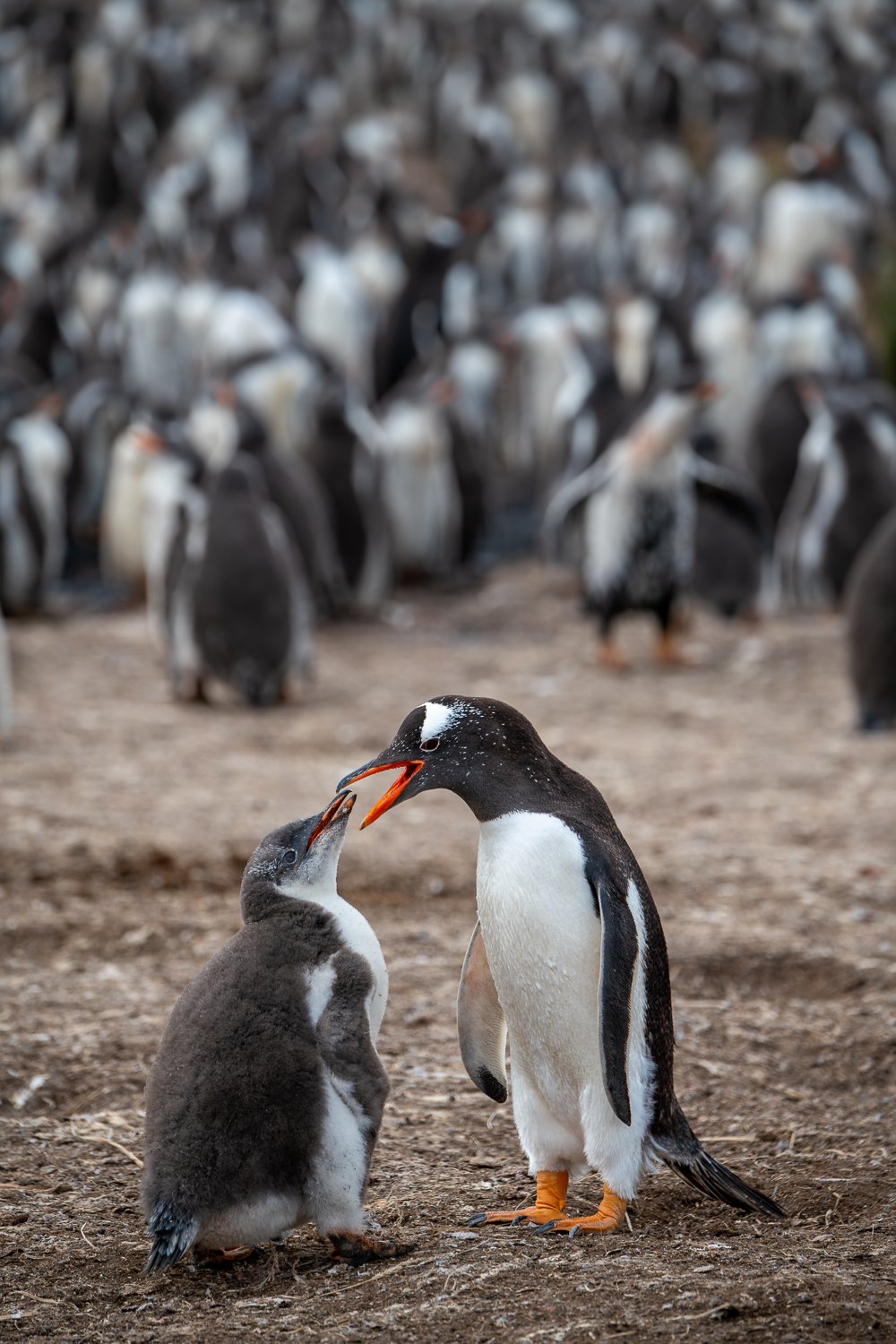
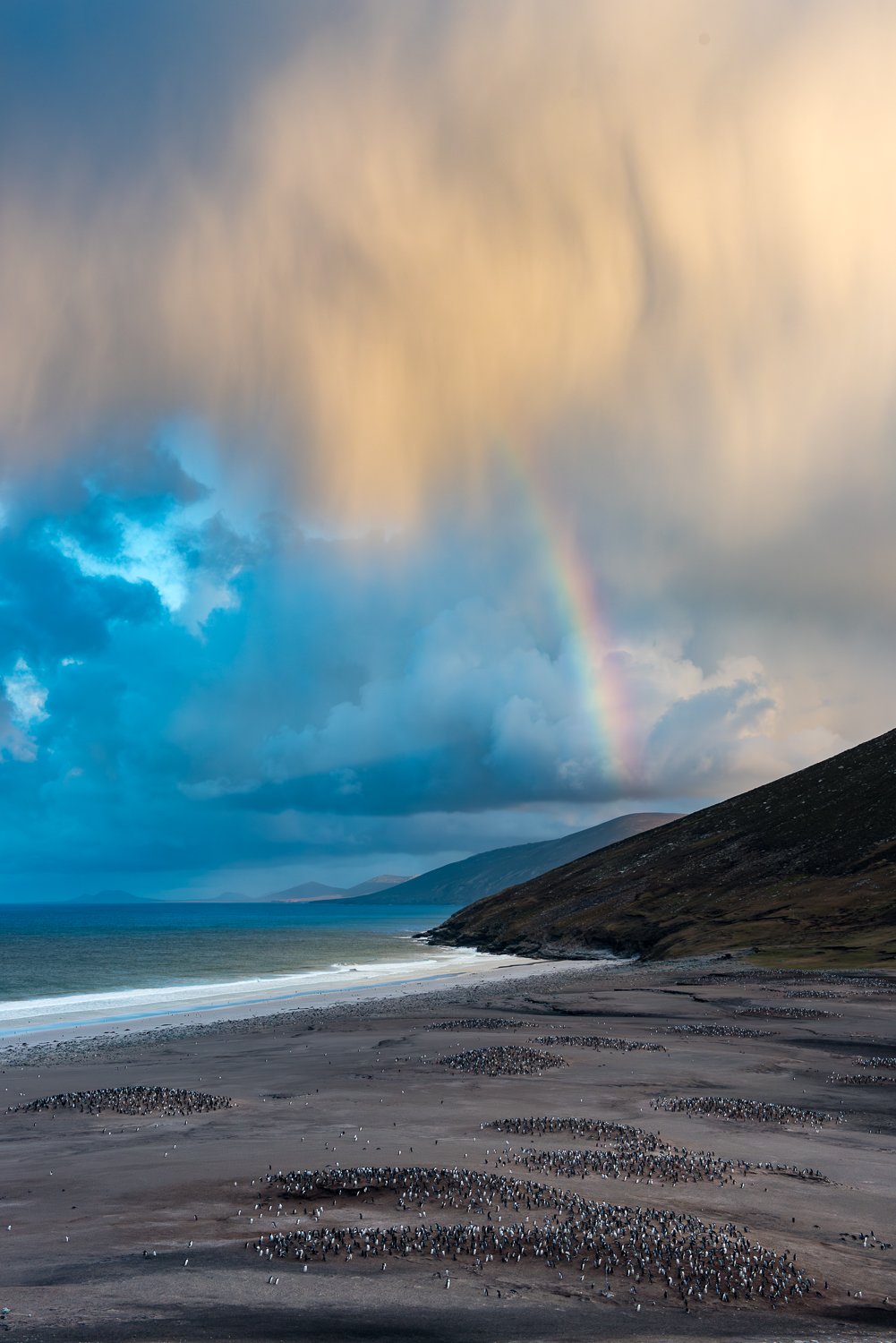
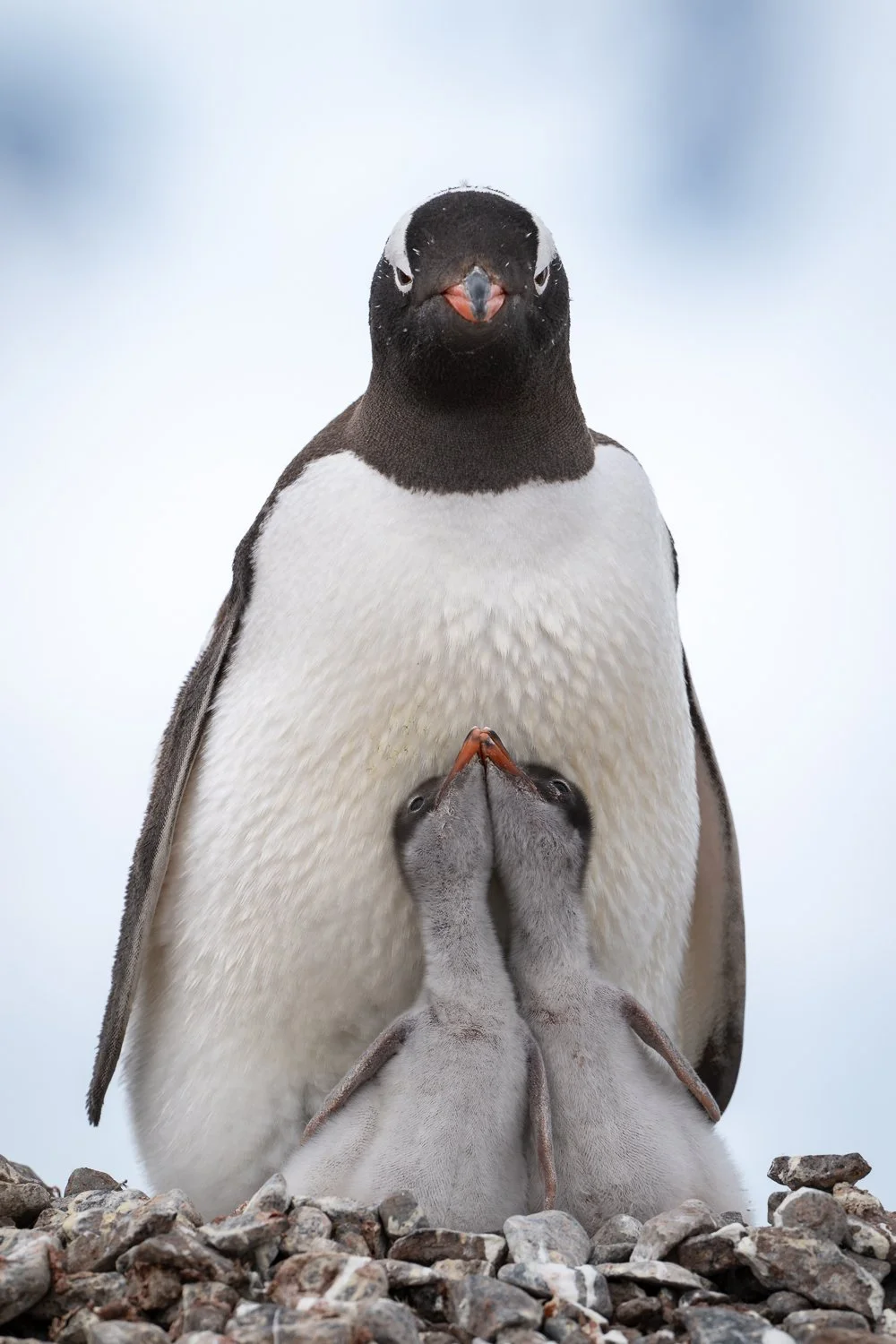
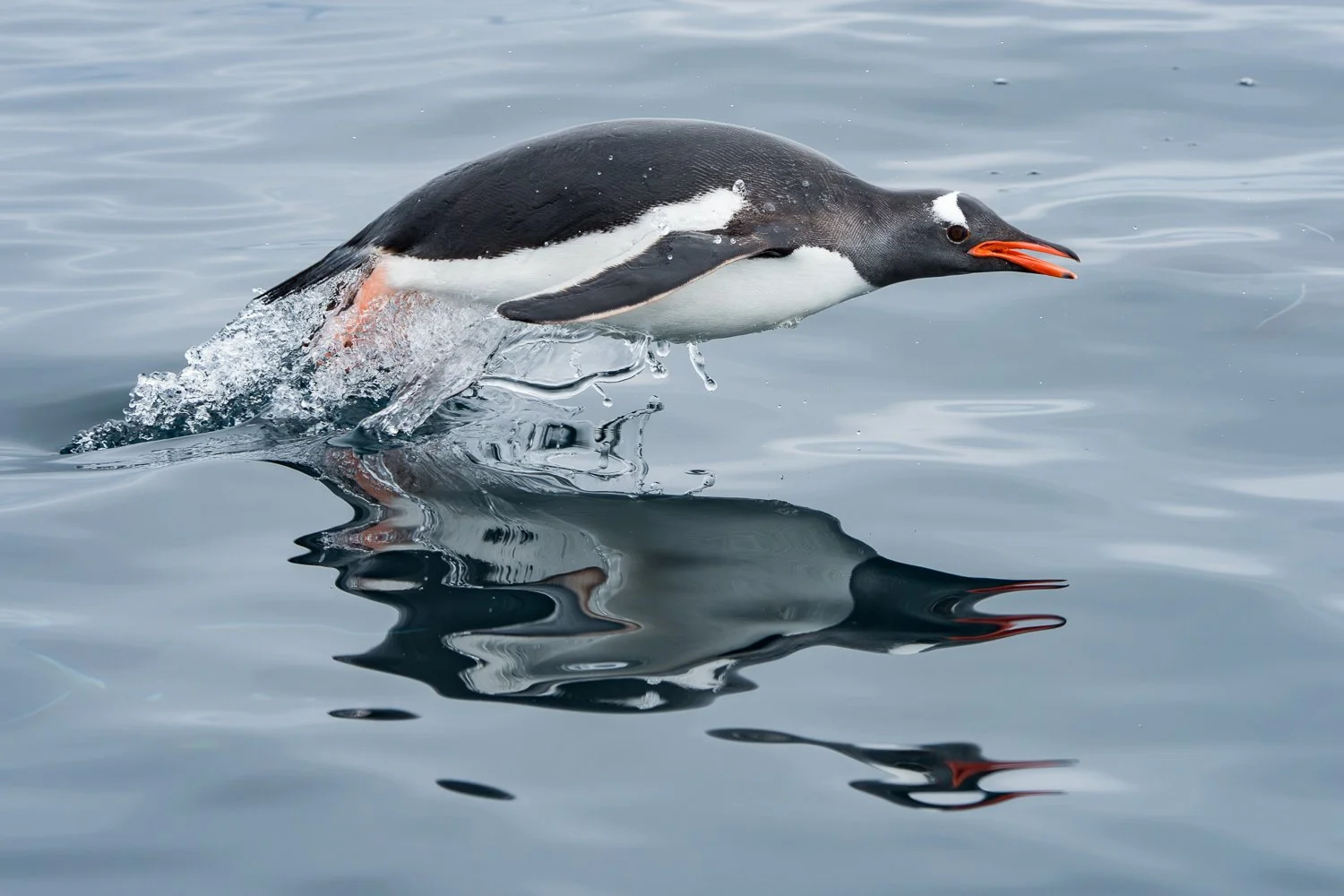
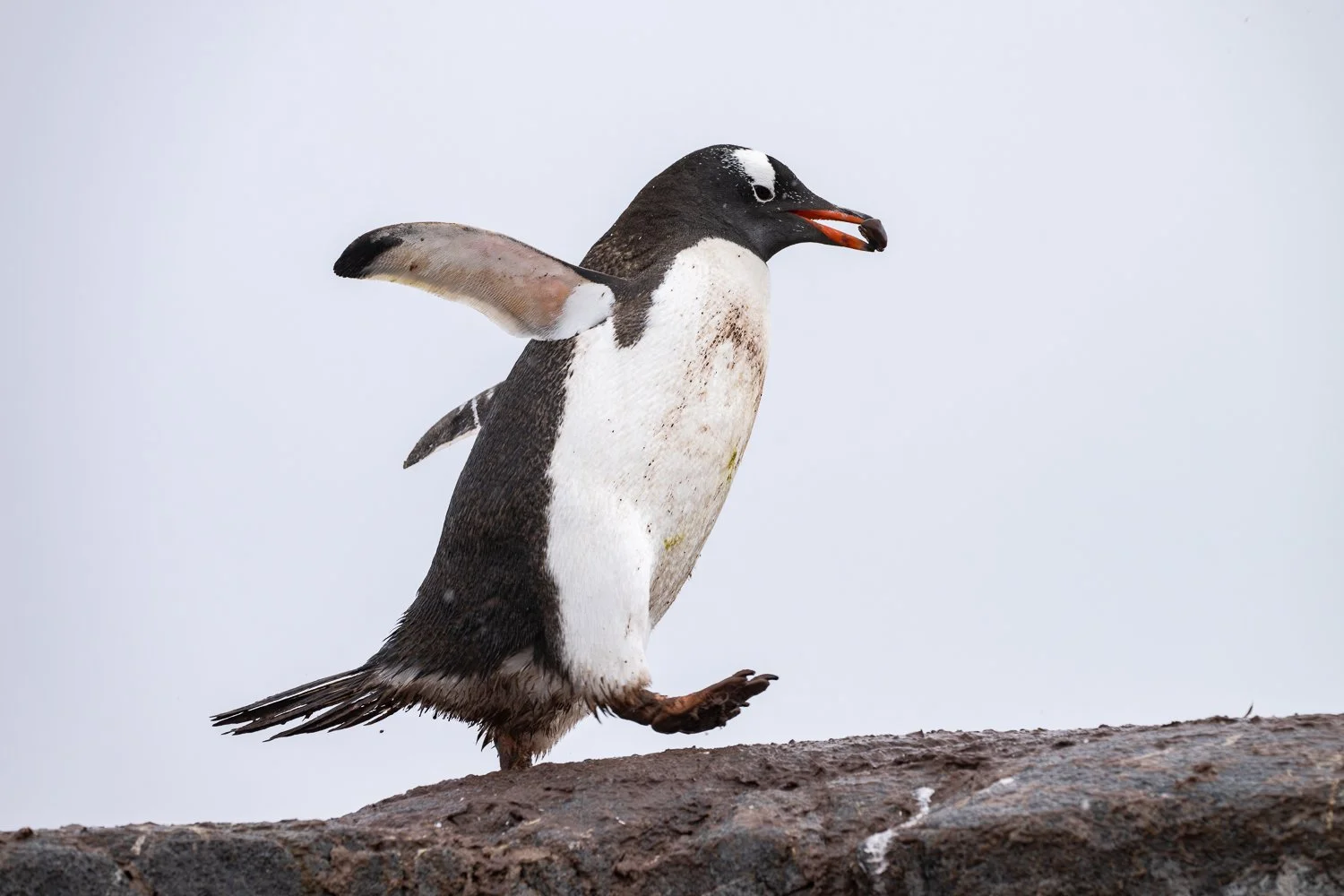
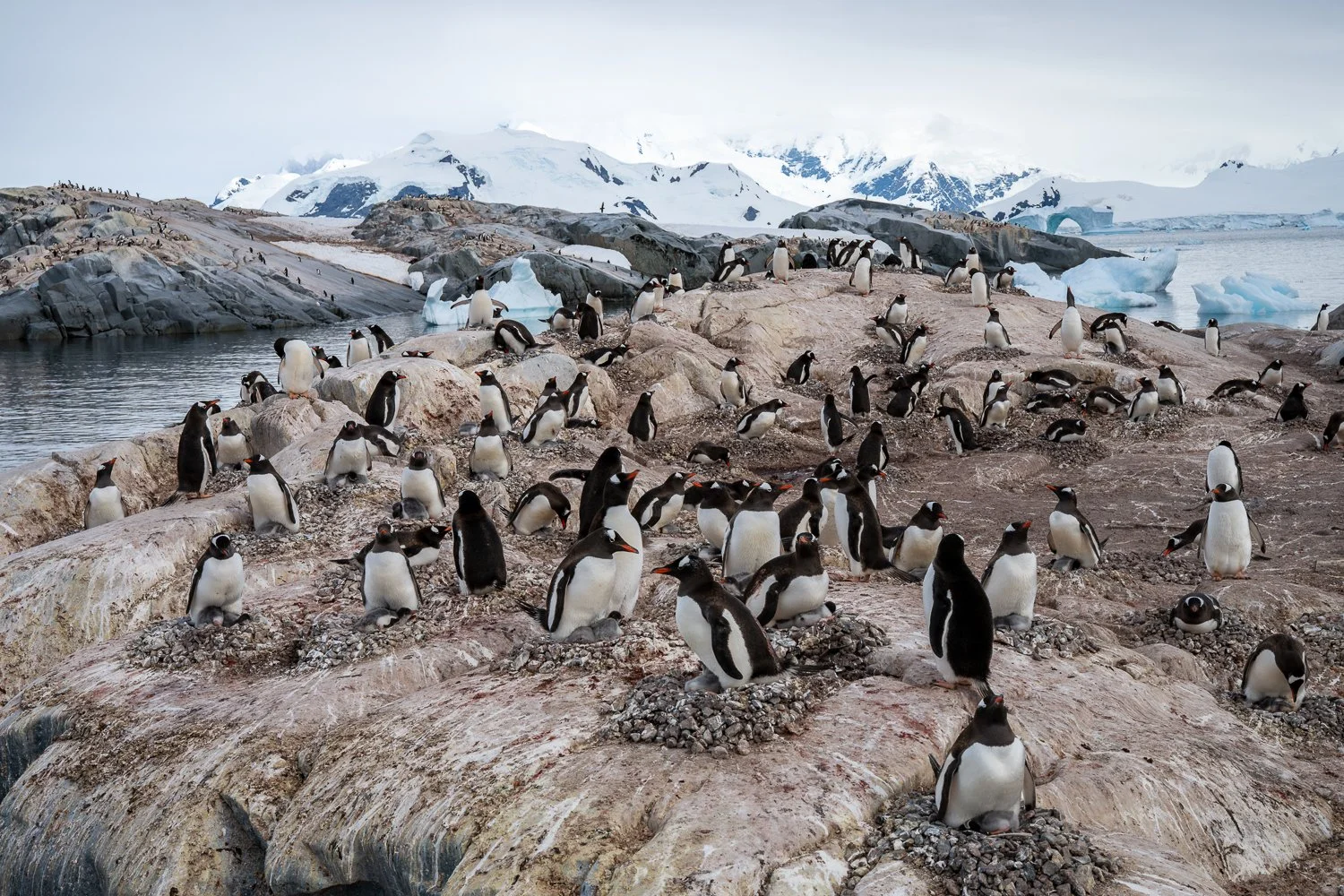
Gentoo penguins, with their distinctive white feather ‘cap’ and bright orange bill, are one of the most charismatic and well-known species of penguins. There are 387,000 breeding pairs globally, with the largest populations just east of South America in the Falkland Islands (121,500 pairs).
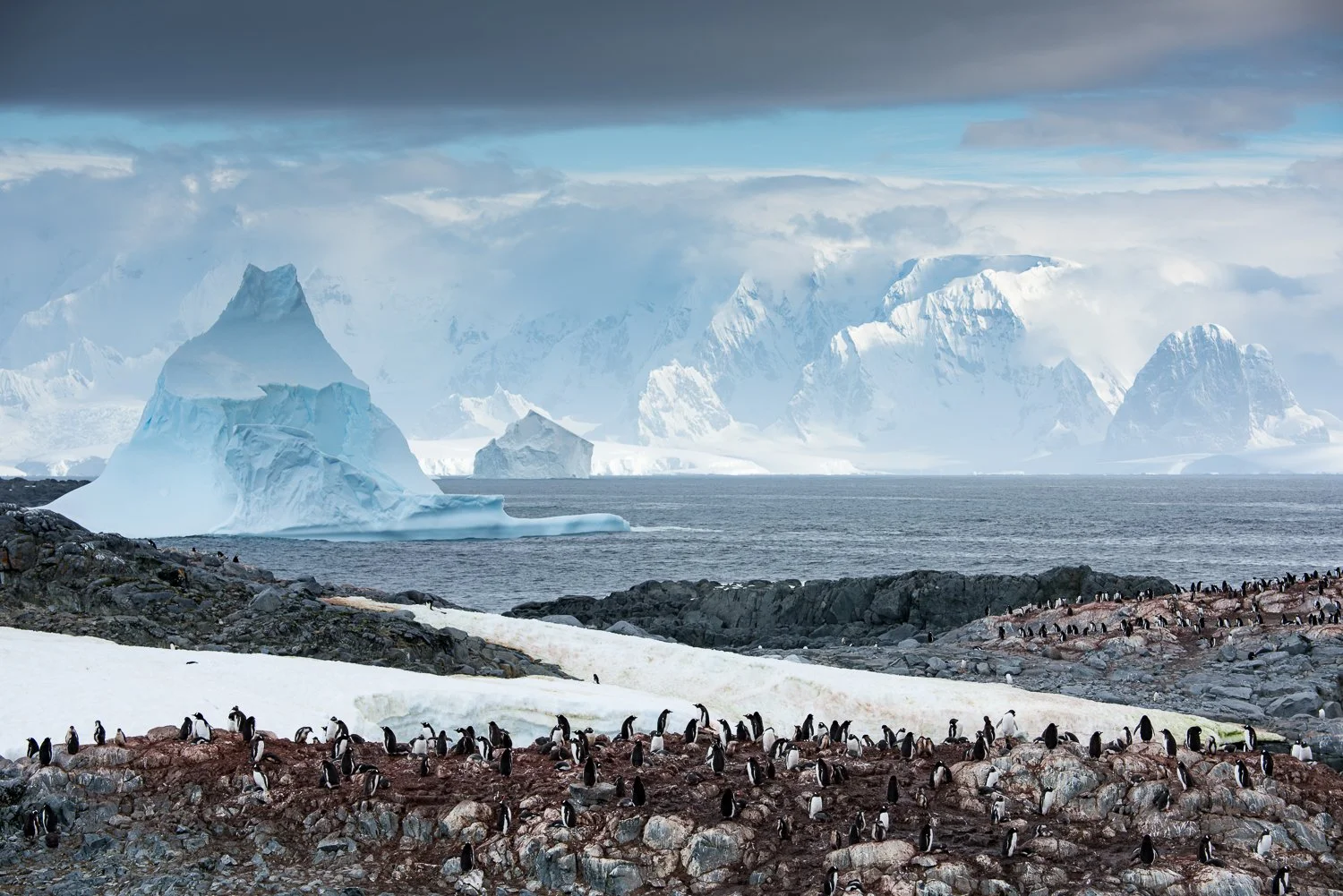
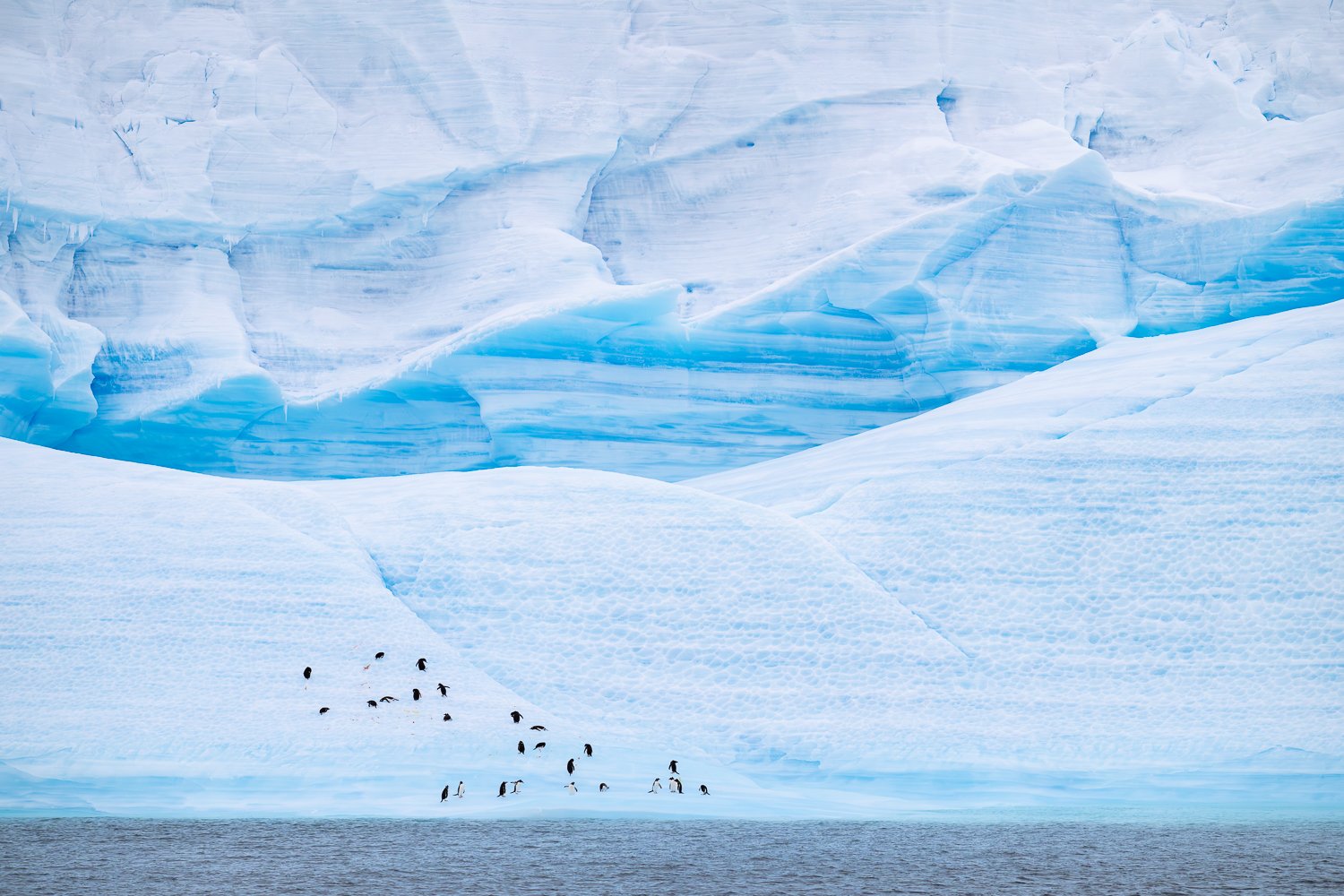
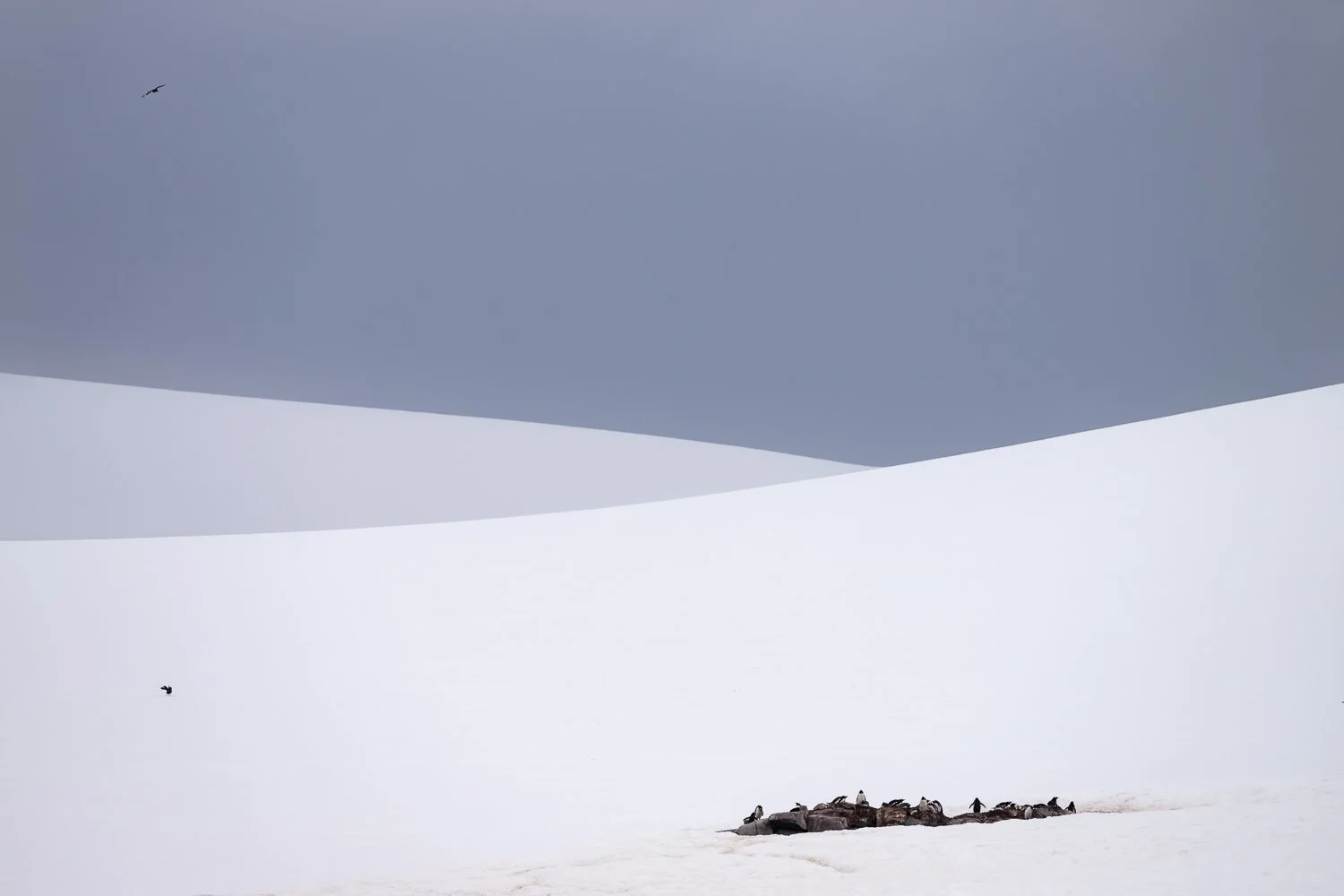
In the past few decades, however, gentoos have increasingly expanded their range southward into the West Antarctic Peninsula. Scientists have correlated this population boom (which they jokingly refer to as “gentoofication”) with rapid changes in the Antarctic Peninsula’s environment. The Antarctic Peninsula is one of fastest warming places on Earth. Around Palmer Station, the average winter temperature has risen by more than 10 degrees Fahrenheit in the last 50 years—six times greater than the global average. Consequently, ice cover has declined by three months. While some penguin species like Adélies are dependent on sea ice for survival, gentoo penguins fare better without it, and are establishing new colonies all over the West Antarctic Peninsula. As just one example, Dr. Bill Fraser and his team of seabird researchers documented the first gentoos nesting at Biscoe Point in 1993, when 14 nests were counted. The gentoo population has since exploded there: in 2015, researchers counted over 3,600 nests.
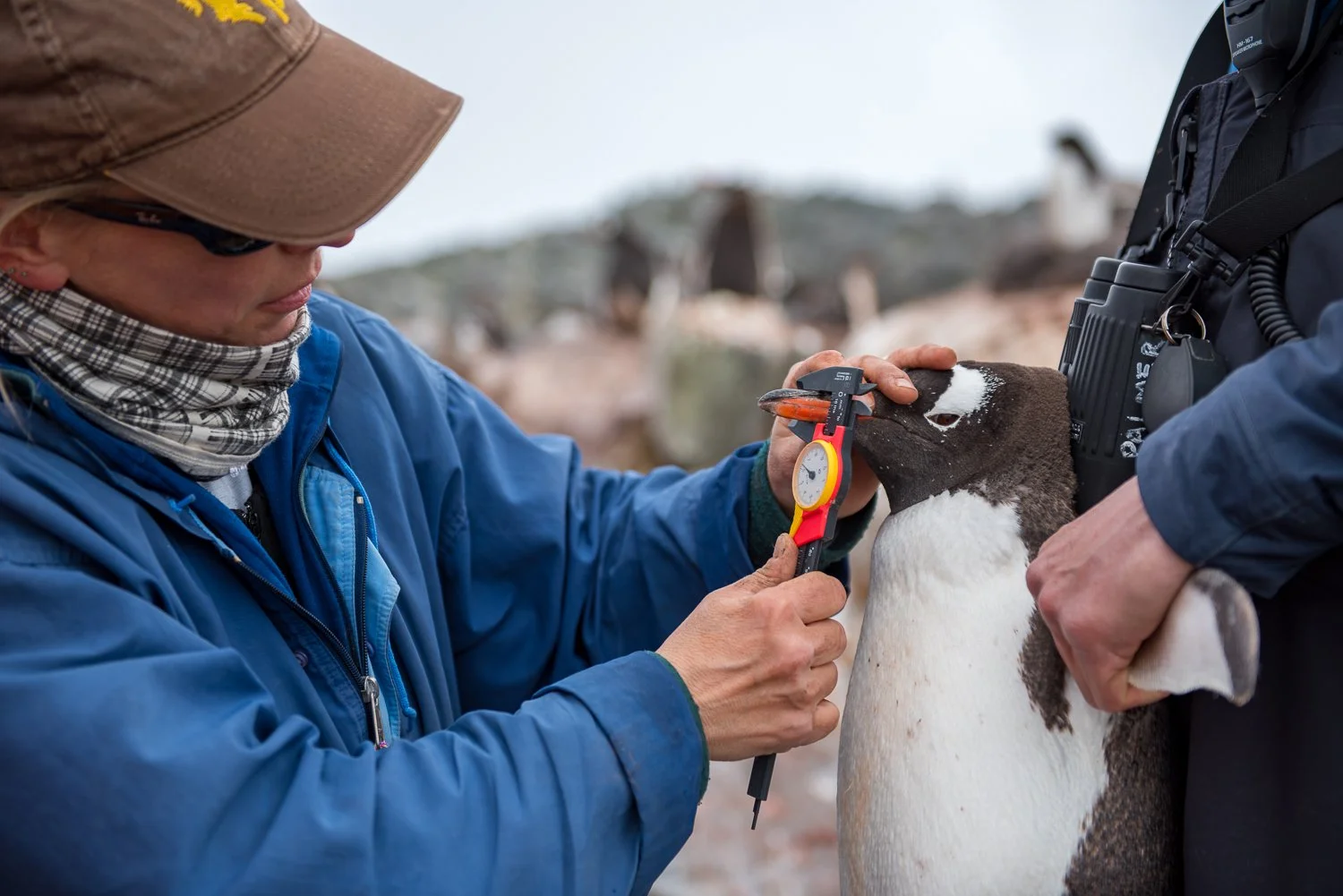
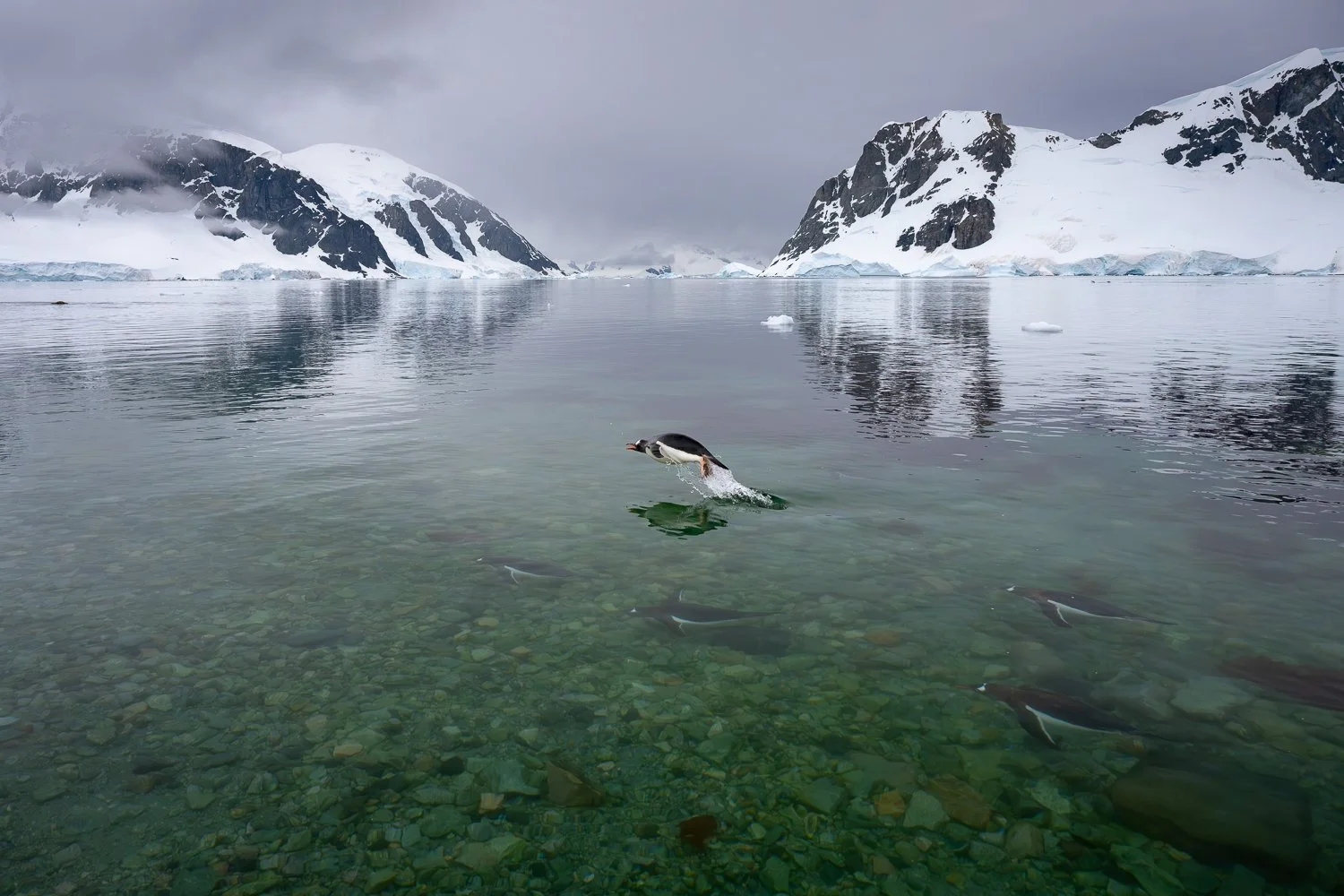
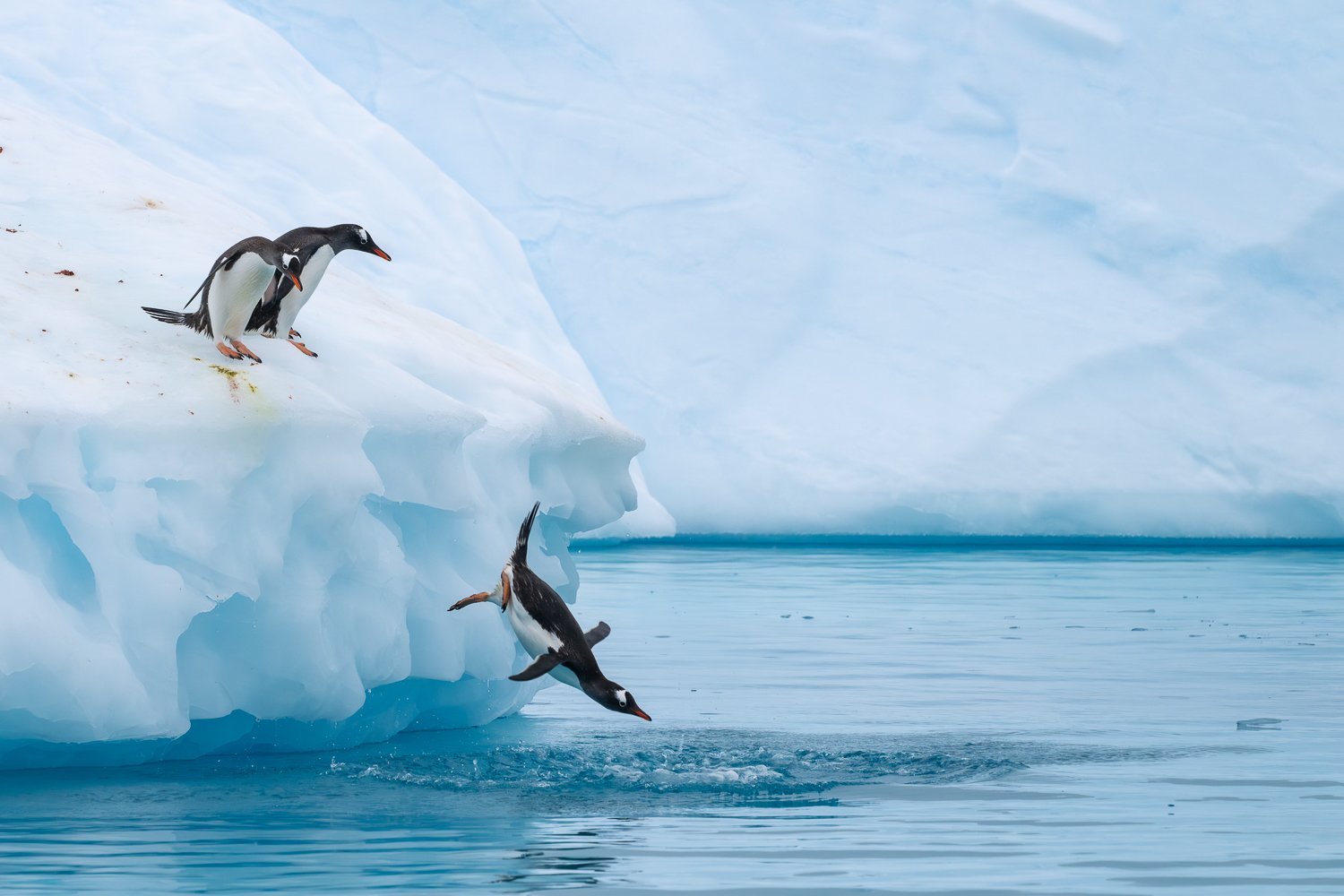
This photo essay, originally published in Living Bird magazine in 2016 and updated for Ranger Rick in 2026, illustrates how gentoos are just as comfortable on the sandy beaches of the Falkland Islands as they are in their new nesting areas on the snowy Antarctic Peninsula. Additional photographs show the Palmer Station seabird research team at work studying the birds at the remote Antarctic Specially Protected Area (ASPA) Biscoe Point.
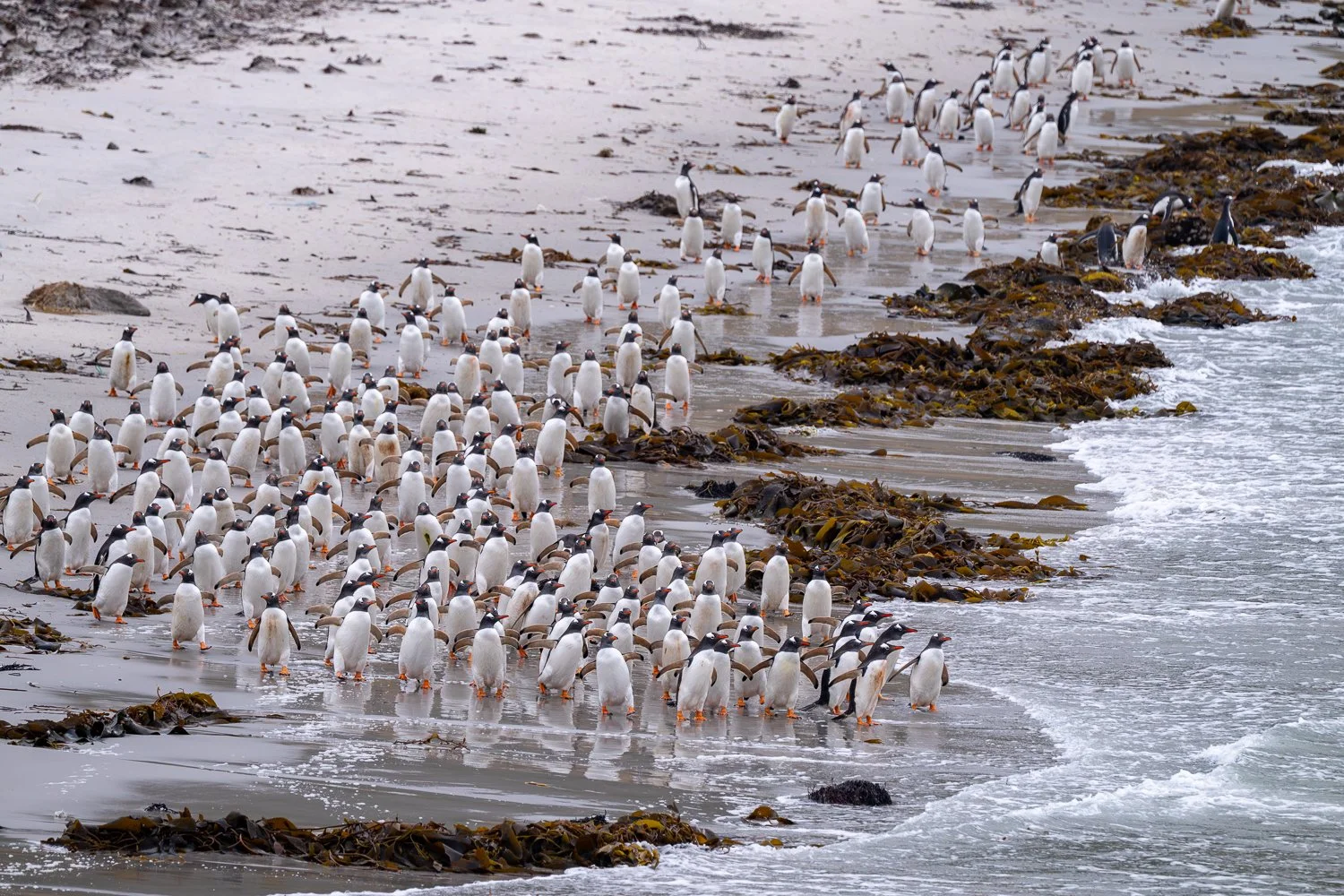
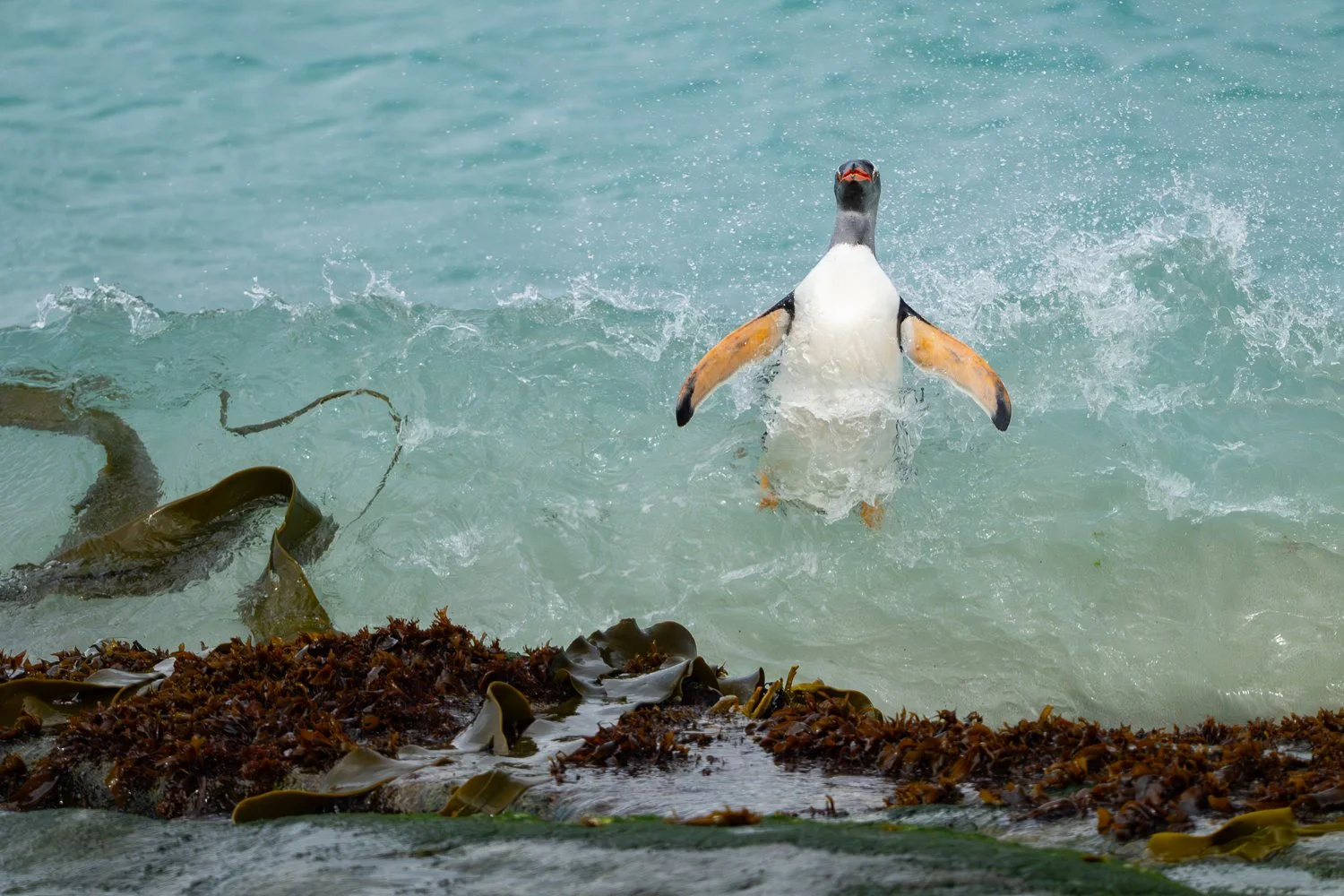
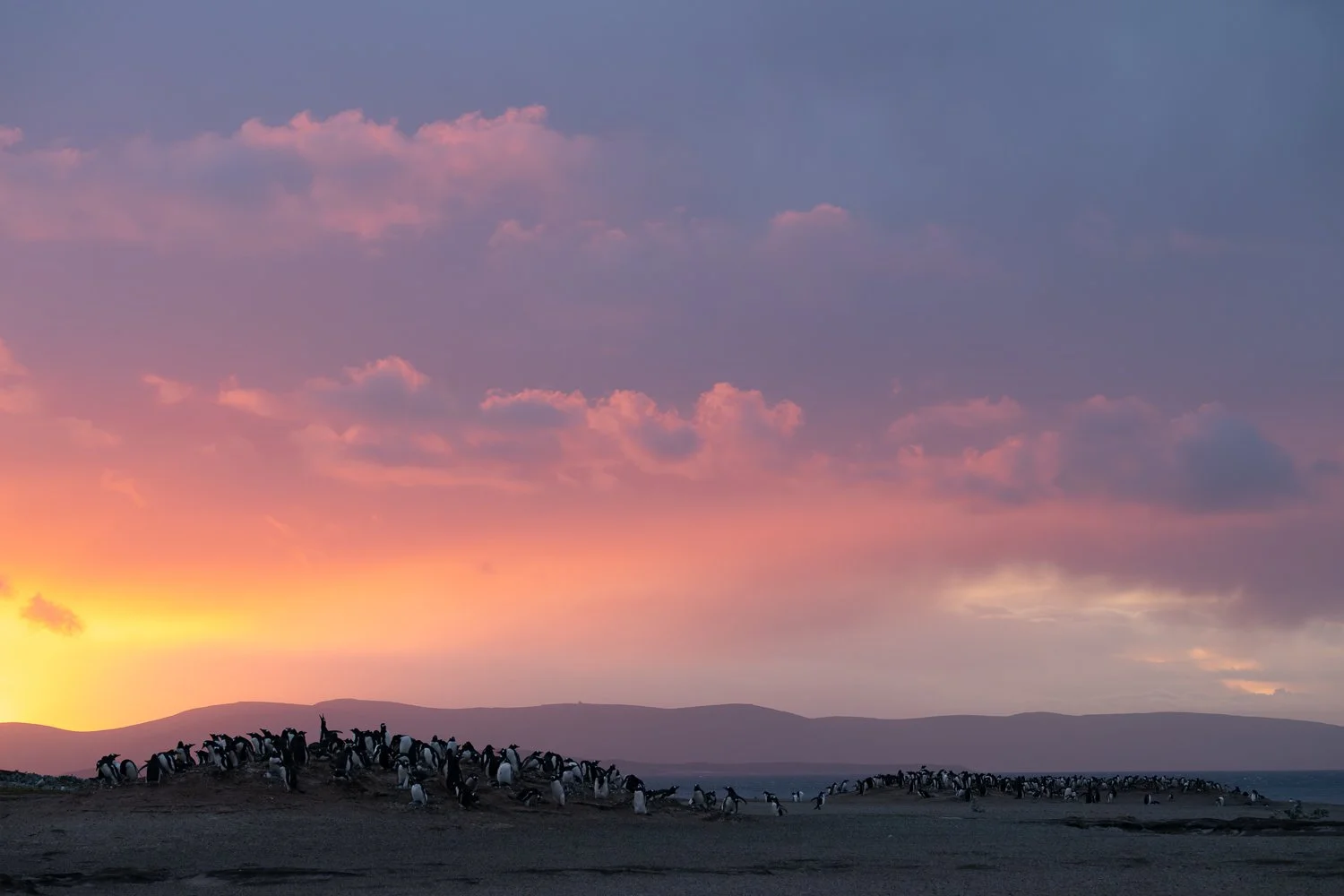
Greetings from Penguin-Land, Ranger Rick, September 2026
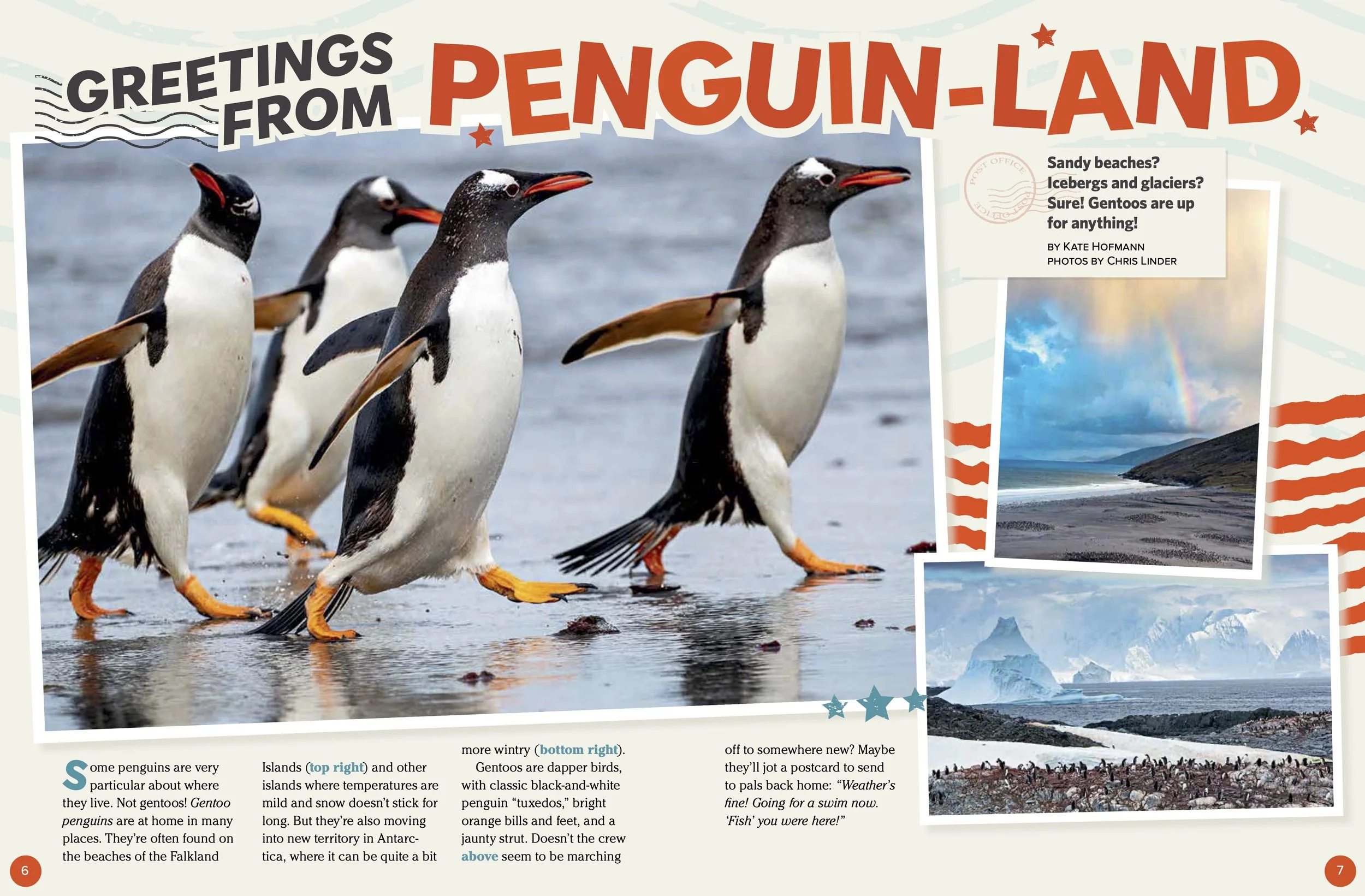
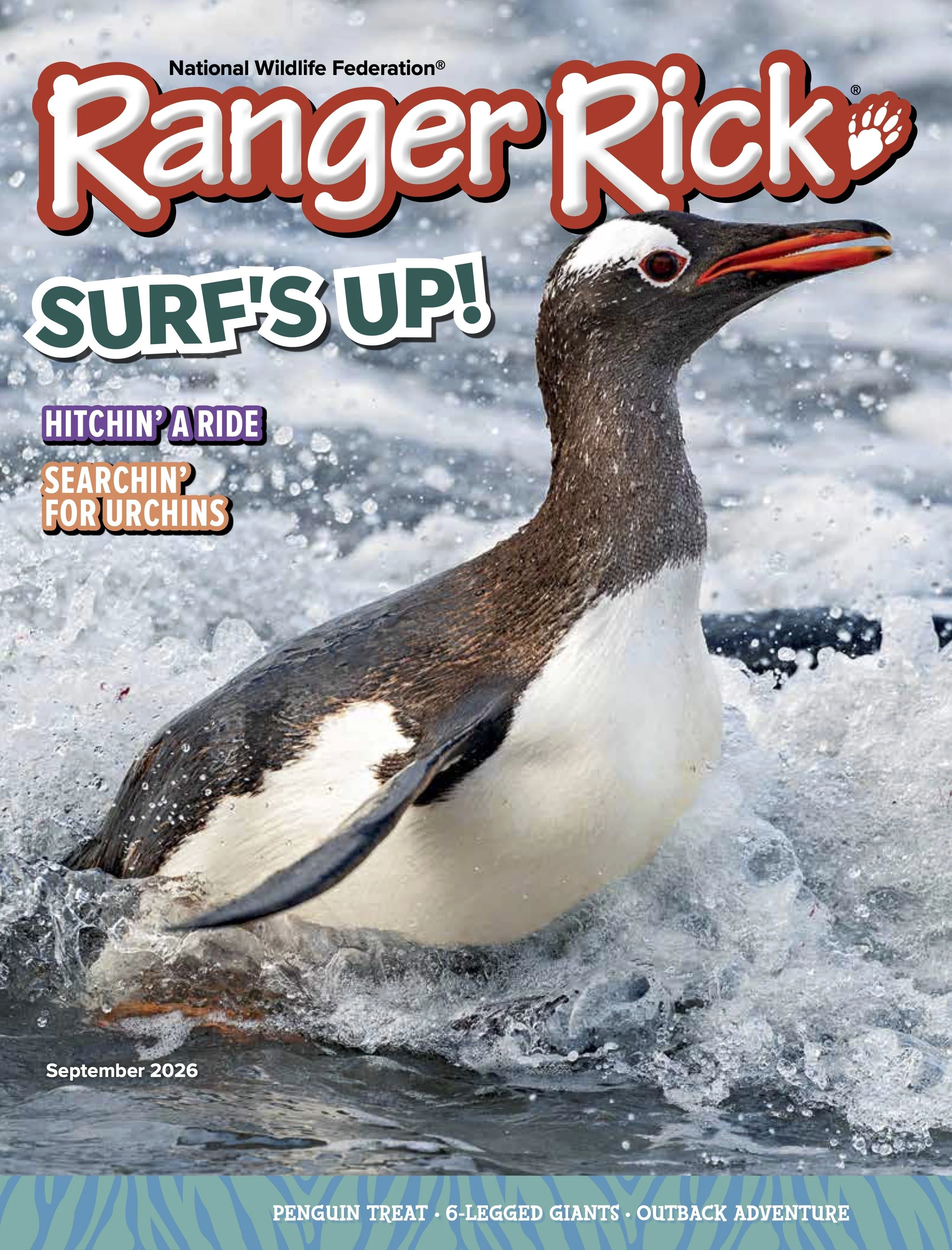
Greetings from Penguin-Land, Ranger Rick, September 2026

After the Revolution, Living Bird, Winter 2016